The Cultural Impact of Muay Thai, K-1, and Karate Worldwide
Combat sports aren’t just about power and precision — they’re deeply rooted in culture, tradition, and identity. Three of the most influential martial arts — Muay Thai, K-1, and Karate — have shaped global perceptions of discipline, respect, and resilience.
🇹🇭 Muay Thai: The Art of Eight Limbs
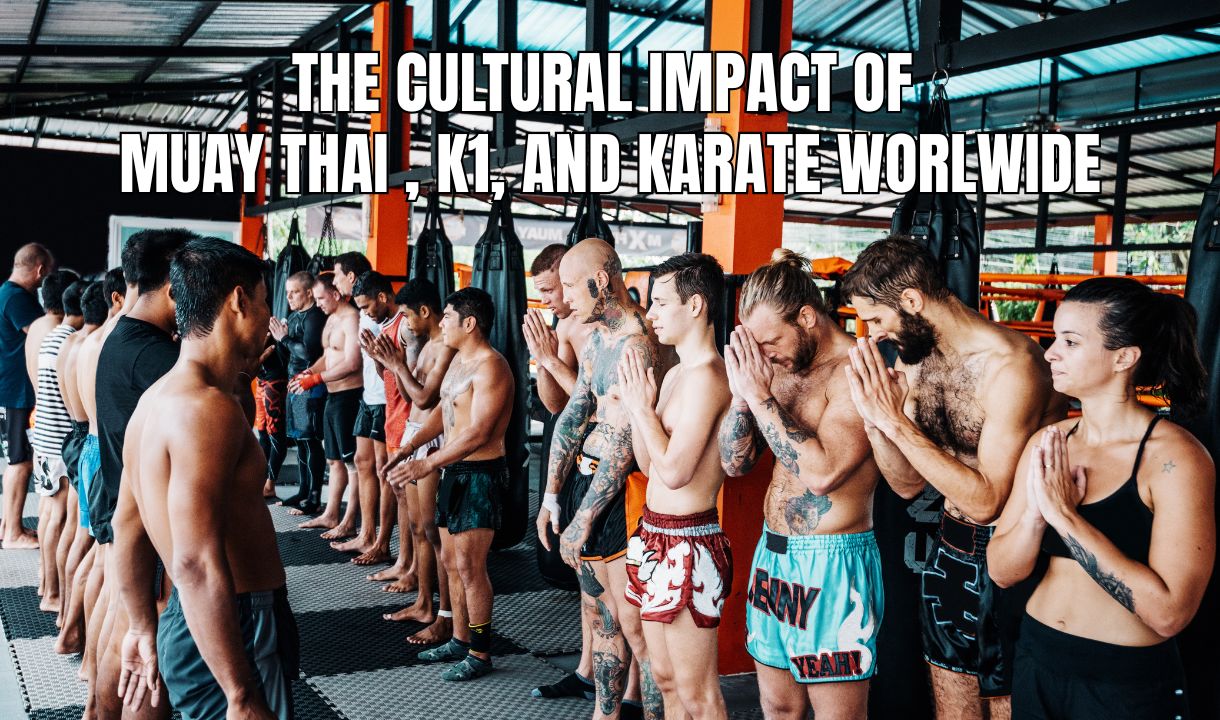
More than Thailand’s national sport, Muay Thai is a way of life. Rich with rituals like the Wai Kru dance and traditional music, it teaches respect for lineage, honor, and humility. Today, Muay Thai is practiced on every continent, celebrated for its raw effectiveness and cultural soul.
🇯🇵 K-1: Japan’s Global Combat Platform
Born in the early '90s, K-1 revolutionized stand-up fighting. By blending styles like kickboxing, karate, and Muay Thai, it created a new combat spectacle that captivated audiences worldwide. Fighters from every background competed under one rule set — uniting nations in the spirit of competition.
🥋 Karate: Discipline Across Borders
Originating in Okinawa and spread across the globe, Karate has become a symbol of personal growth. With its focus on form, self-control, and spiritual development, it’s taught in schools, dojos, and gyms worldwide. It’s even made its way into the Olympics — proving its global cultural reach.
🌍 Global Influence
These martial arts have not only inspired fitness and self-defense but have also:
-
Influenced movies, fashion, and pop culture
-
Created cross-cultural exchanges and respect
-
Built communities of practitioners with shared values
From the streets of Bangkok to the rings of Tokyo and the dojos of Europe — Muay Thai, K-1, and Karate have shaped more than fighters. They’ve shaped world culture.