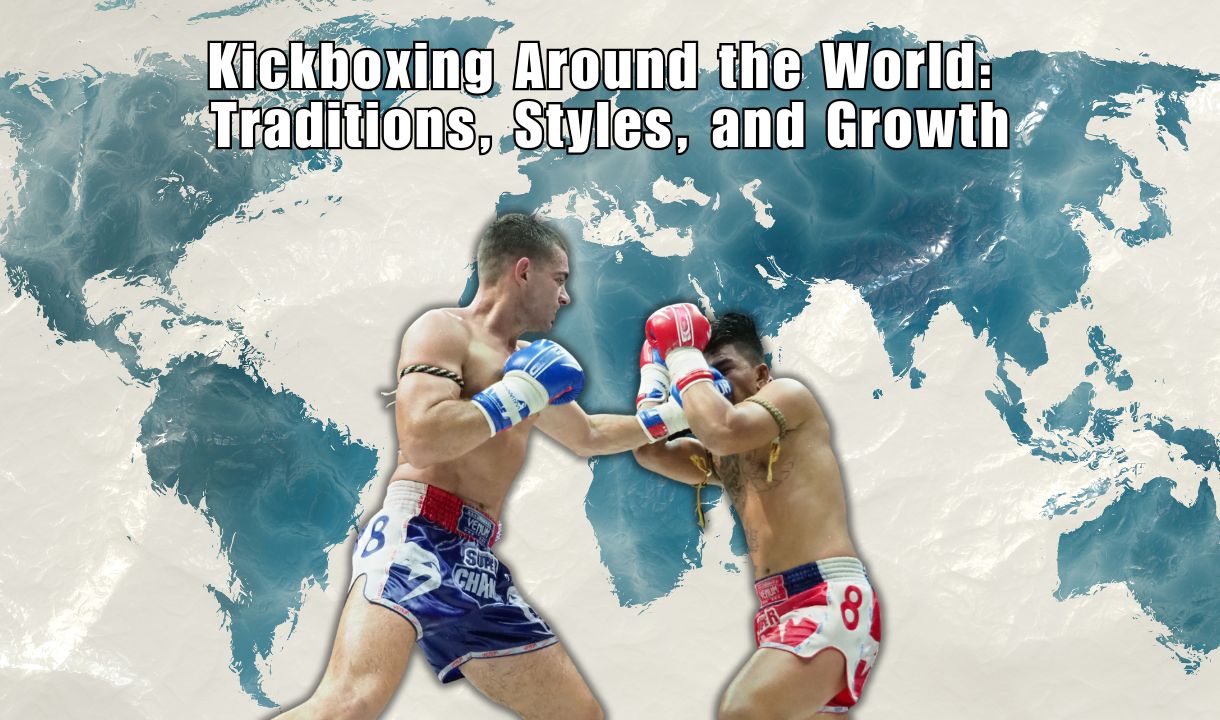
Kickboxing Around the World: Traditions, Styles, and Growth
Kickboxing is more than just a sport — it’s a global language spoken through punches, kicks, and a warrior spirit that transcends borders.
From the powerful Muay Thai roots of Thailand to the fast-paced K-1 rules of Japan, kickboxing has evolved through diverse cultures and traditions. In the U.S., it began as full-contact Karate in the '70s, while in Europe, Dutch kickboxing blended Kyokushin Karate with Western boxing for a hard-hitting hybrid style.
Each region adds its own flavor:
🇹🇭 Thailand brings elbows, knees, and clinch work.
🇳🇱 The Netherlands focuses on pressure, combinations, and low kicks.
🇯🇵 Japan’s K-1 emphasizes speed and striking precision.
🇧🇷 Brazil integrates Capoeira and traditional martial arts influences.
🌍 Africa, Oceania, and the Americas are now rising fast with powerful new generations of fighters.
Thanks to international organizations like the WKA, kickboxing has gone from underground gyms to global arenas, with world championships, streaming platforms, and growing youth participation.
What started as regional combat has become a global movement.
Today’s kickboxing is not just about fighting — it's about culture, discipline, and a shared respect among nations.
Whether you're training in a gym in Manila, Amsterdam, or Johannesburg, you’re part of a worldwide brotherhood. And the journey? It’s just getting started.